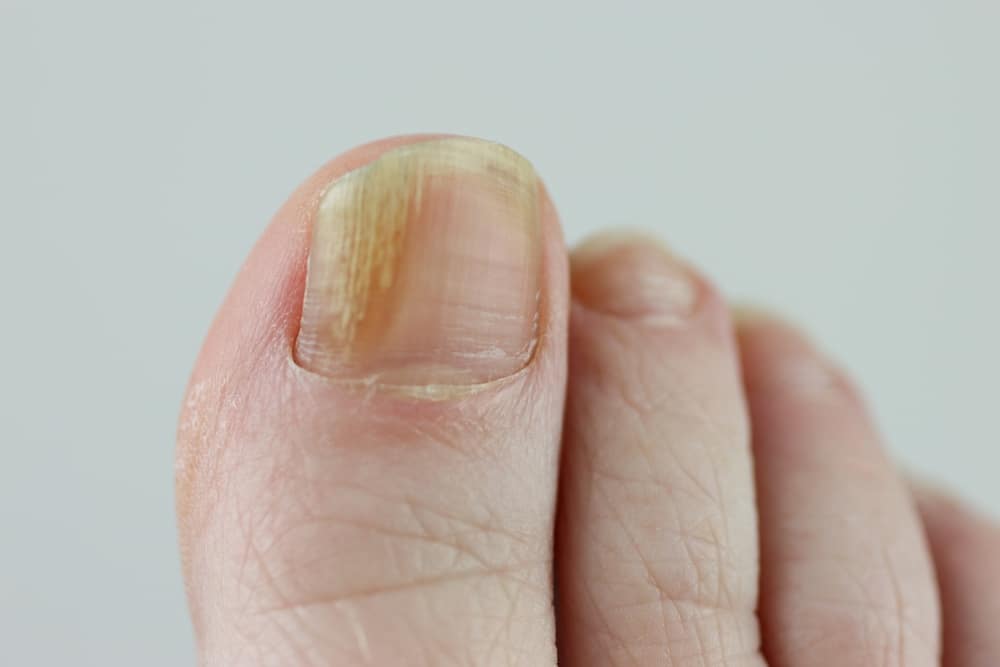
Toenail fungus is one of the most common podiatry issues that we treat here at Dr. Michael Wach’s clinic, but it’s also important to get early treatment. Many patients don’t realize they have an infection until it’s advanced and difficult to treat. That’s why understanding toenail fungus early signs is so important. Catching the problem early can make treatment easier, faster, and far more effective.
We regularly see patients who wish they had addressed the problem sooner. What may start as a small discoloration can gradually turn into thick, brittle, discolored, and even uncomfortable nails if left untreated. Knowing what to look for can help prevent long-term damage.
Toenail Fungus Early Signs You Shouldn’t Ignore
Many patients should realize that toenail fungus develops slowly, but it only worsens over time without intervention. They can be easy to dismiss earlier because pain or symptoms might be unnoticeable. One of the first signs you will notice is color changes. Nails may develop white, yellow, or brown spots, especially near the tip or along the sides. Over time, the discoloration can spread and become darker.
Other early indicators can be thickening of the nails. If you have healthy nails, they should be easier to trim and relatively thin. As the fungus starts to overtake the area, it becomes increasingly thicker, making it dense or even difficult to get your socks and shoes on. Brittleness or crumbling may also occur. Edges can become jagged, flaky, or uneven, and parts of the nail may break off easily. Some patients also notice debris collecting underneath the nail.
Odor can occur after the fungus spreads because it creates a buildup of dead skin under the nail. This can have an unpleasant smell, which is another clear sign that an infection is getting out of hand. While these changes may seem minor at first, they often worsen over time without proper treatment
Why Treating Toenail Fungus Early Makes a Big Difference
Ignoring the toenail fungus early signs above happens more often than you think. It can be easy to neglect the feet because they are usually out of sight, out of mind. A huge misconception is treating toenail fungus as only having a cosmetic benefit. While that is certainly true, the health risks are far greater to have concerns about. In reality, untreated fungal infections can lead to permanent nail damage and spread to other nails. or even to other people.
Fungus can thrive in moist and warm environments, like bathrooms or locker rooms. Once it establishes itself, the fungus can go deeper into the nail bed, which makes treatment much more intensive. Early treatment helps stop the infection before it spreads and reduces the risk of complications. This is especially important for individuals with diabetes, circulation issues, or compromised immune systems, where infections can pose more serious health risks.
Risk Factors: Why Some People Are More Prone
While anyone could get toenail fungus, it naturally affects certain people who have certain pre-existing conditions or lifestyle factors. Aging is one of the most common risk factors because our functions slow down, making us more susceptible to infections. Additionally, reduced blood flow to the feet and years of walking can increase the chances of fungal growth. Other individuals who are more susceptible to toenail fungal infections can include:
- Diabetics: Impaired circulation and nerve damage (neuropathy) in the feet make it harder to fight off infections, including fungus.
- Athletes or those with active lifestyles: Frequent sweating, wearing tight-fitting shoes, and using public locker rooms or pools increase exposure to and retention of moisture, creating an ideal breeding ground for fungus.
- Individuals with a history of athlete’s foot (tinea pedis): This fungal skin infection can easily spread from the skin to the nail.
How a Podiatrist Diagnoses and Treats Toenail Fungus
If you think you have an issue with your feet, it’s important to get them checked out right away. Remember, a visual inspection isn’t always going to determine whether or not you have toenail fungus. It can easily get confused with other conditions like psoriasis or trauma. Dr. Michael Wach may recommend a small nail sample or scraping to confirm the presence of fungus before beginning treatment. Once diagnosed, treatment is tailored to the severity of the infection and the patient’s overall health.
Topical antifungal treatments
Topical treatments are rarely effective and are almost never the primary method Dr. Wach uses. They may be mentioned for completeness, but they are generally not relied upon to treat toenail fungus.
Nail Debridement
Nail debridement involves safely trimming and thinning the infected, thickened nail. This process helps reduce pressure and allows topical medications to penetrate the nail bed more effectively. It can be done in conjunction with other treatment methods.
Láser Lunula
This is a state-of-the-art technology we provide for our clients in West Valley and Orem. Láser Lunula targets the fungal infection at its core and encourages the body’s natural healing processes.
Fight Toenail Fungus Early Signs With Dr. Michael Wach
If you’re noticing changes and want expert guidance, professional care makes all the difference. For trusted, effective toenail fungus treatment in Orem and West Valley, Dr. Michael Wach provides comprehensive evaluation and treatment plans designed to stop fungal infections early and protect long-term foot health. We look forward to providing you with compassionate care to support overall health and well-being. Schedule an appointment today!