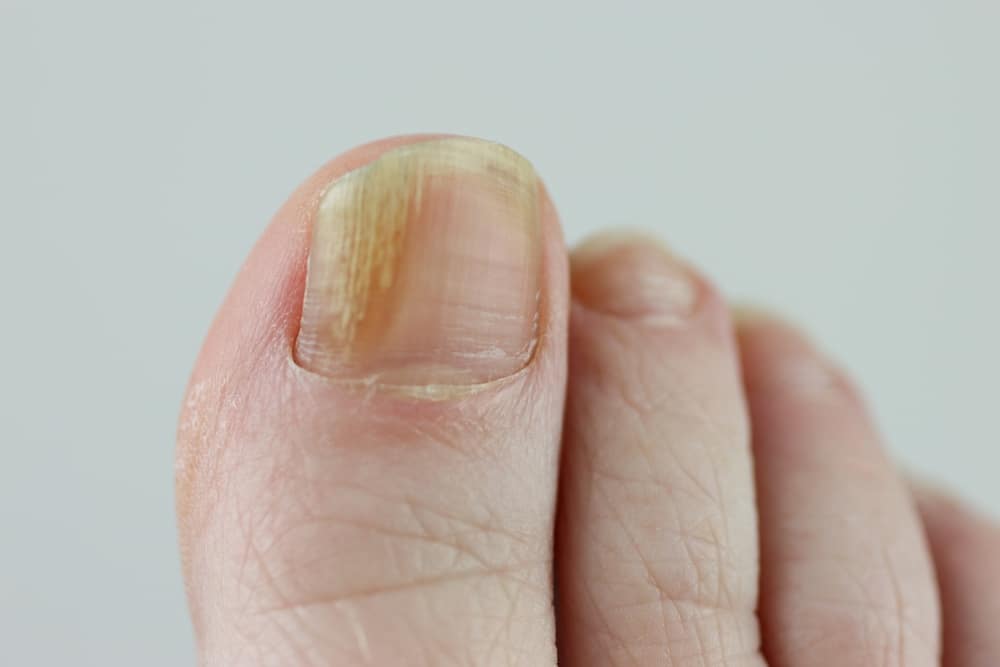
One of the most common conditions that Dr. Michael Wach treats at his podiatry practice is toenail fungus. Treating it effectively takes time and patience, often more than people realize. Many clients commonly ask which treatment options work best and why results differ from patient to patient. Understanding toenail fungus treatment results starts with knowing the available treatment options, the factors that influence outcomes, and why professional podiatric care plays such an important role in long-term success.
Toenail Fungus Treatment Options
Toenail fungus can be very difficult to treat, and there’s no “standard” that works for every patient. Some clients may get good results with less involved treatments, while others need more intensive care. What you need to treat toenail fungus can depend on the severity of the infection, age, overall health, and other nail characteristics you’re not thinking about. Below is an overview of the most commonly used treatments.
Topical Antifungal Treatments
Topical treatments are rarely effective for toenail fungus and are almost never the primary method Dr. Wach uses. They involve applying medication directly to the nail and surrounding skin, which may be used only in very mild cases. While easy to use with minimal side effects, topical treatments require daily application for months and generally produce limited results on the nail itself.
Oral Antifungal Medications
Oral medications work from the inside out and are usually the most effective option for moderate to severe infections. These medications travel through the bloodstream to target the fungus at its source. They are generally safe but must be closely monitored by Dr. Wach through regular follow-up visits to ensure proper dosing and liver function.
Laser Therapy
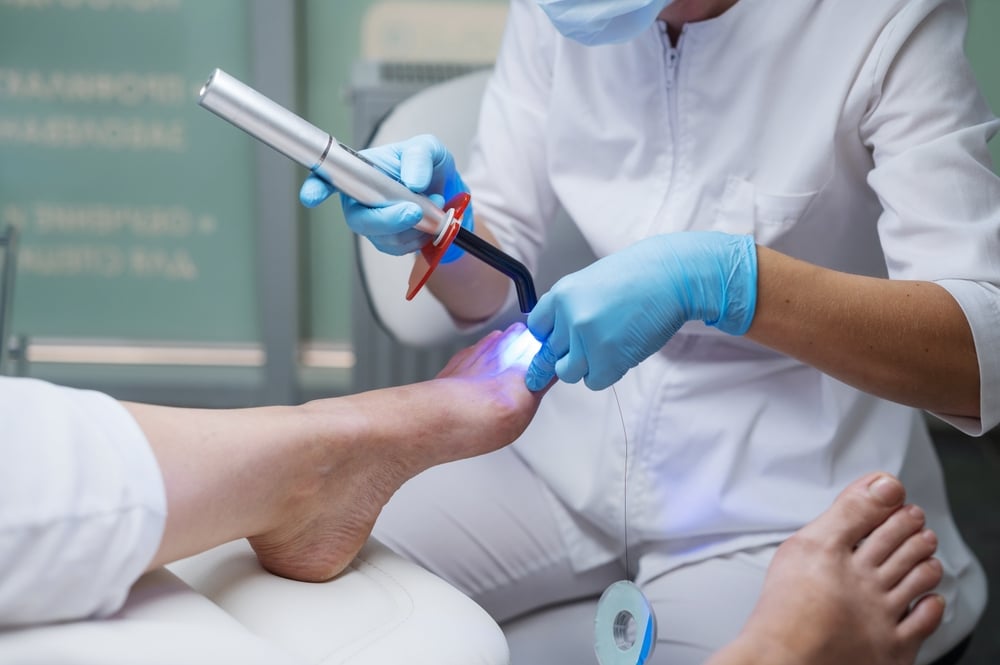
The Lunula Laser treatment is a non-invasive option that targets fungal organisms beneath the nail using focused light energy. It’s a popular method that addresses the fungus and allows the body to naturally promote healthy nail growth. More podiatrists consider it because of the powerful combination of efficacy and safety.
Nail Debridement
You can think of nail debridement as the removal of diseased, thickened, or infected portions of the nail. While it won’t treat the infection itself, it reduces the fungal load. This means it can allow other topical or oral treatments to be more effective. It’s a good option done in conjunction with other treatments to speed up toenail fungus treatment results.
Factors That Affect Individual Treatment Results
Not all patients experience the same level of success, but regular visits with a podiatry team can give you better results.
Severity of Infection
Mild infections affecting the tip or surface of the nail are much easier to treat than infections involving the nail matrix or multiple toenails. If you have an advanced case, combination therapies should be expected with a longer treatment window.
Nail Thickness and Damage
If you have a thickened or damaged nail, it can be much harder for the medication to penetrate. Patients with severe nail changes may need repeated debridement to improve medication effectiveness.
Age
When you get older, nail growth is slower, and there is the possibility of reduced circulation. This naturally means that achieving satisfactory toenail fungus treatment results may take longer for older adults.
Immune Health
Other factors can impact toenail fungus treatment options. For example, if you have diabetes or other circulatory issues, it can be much harder to fight off the infection. Good health usually indicates a faster recovery time.
Treatment Adherence
One of the biggest factors that impacts toenail fungus treatment results is whether or not the patient is consistent with their treatment plan. Skipping topical applications, missing medications, or not following up with our podiatrist are all reasons that could delay your results.
Toenail Fungus Requires Long-Term, Consistent Care
Toenail fungus lives beneath the nail, which can make it difficult to treat at times. Even with initial results, regular visits to a podiatry expert matter. The toenails can appear to be healthy, but fungus can still be lurking. Remember, it can take up to a full year for toenails to grow out completely. Toenail fungus lives beneath the nail, which can make it stubborn and slow to heal. Even when nails appear healthy, fungus can persist. Regular follow-ups with Dr. Wach are critical to monitor healing, identify issues like nail trauma or circulation problems, and prevent reinfection.
Choosing Professional Care Close to Home
Patients looking for expert toenail fungus treatment in West Valley City and Orem can trust Dr. Michael Wach to effectively handle different levels of infection cases. Whether you’re starting with a mild infection or struggling with a persistent, advanced case, Dr. Wach offers the expertise and advanced treatment options to help you achieve clear, healthy nails.
Take the first step toward clearer, healthier nails. Contact the office of Dr. Michael Wach today to schedule your consultation and learn which treatment is right for you.